The remote-work debate is not about choosing freedom over discipline. It is about designing work for focus, mentorship, accountability, connection, and meaningful results.
Choosing the wrong communication channel can create friction, confusion, and wasted time. A more intentional approach helps people understand one another and move important work forward.
Fair systems, community contribution, and ongoing ethical learning turn good intentions into a culture people can trust, contribute to, and carry forward.
Fair systems, community contribution, and ongoing ethical learning turn good intentions into a culture people can trust, contribute to, and carry forward.
The remote-work debate is not about choosing freedom over discipline. It is about designing work for focus, mentorship, accountability, connection, and meaningful results.
Choosing the wrong communication channel can create friction, confusion, and wasted time. A more intentional approach helps people understand one another and move important work forward.
Great leadership isn’t about control—it’s about service. When leaders prioritize trust, empowerment, and authenticity, teams shift from compliance to commitment.
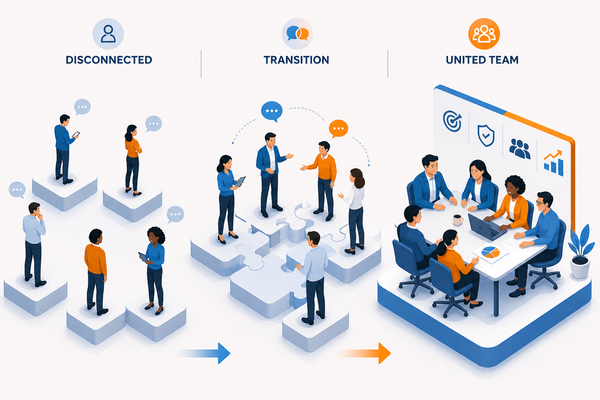
Team performance often reflects culture more than strategy. Understanding the stages of culture helps leaders guide teams from disengagement to collaboration and ultimately toward shared purpose and impact.
Ethical leadership is no longer optional—it’s a competitive advantage. Trust-driven organizations perform better, retain talent, and build stronger reputations in a market that increasingly values integrity and accountability.
Every organization has a culture, but not all evolve. The shift from individual performance to collective strength is what transforms teams into high-performing, purpose-driven organizations.