Other people may reduce our lives to roles, mistakes, or milestones. Telling our own story means developing an honest understanding of what happened and what it came to mean.
A first draft is not supposed to be finished or polished. Its job is to give your ideas somewhere to exist so revision, clarity, and better writing can begin.
Clear communication is not about sharing every thought or detail. It is about identifying what matters most, removing what distracts, and giving the central idea room to be understood.
Clear communication is not about sharing every thought or detail. It is about identifying what matters most, removing what distracts, and giving the central idea room to be understood.
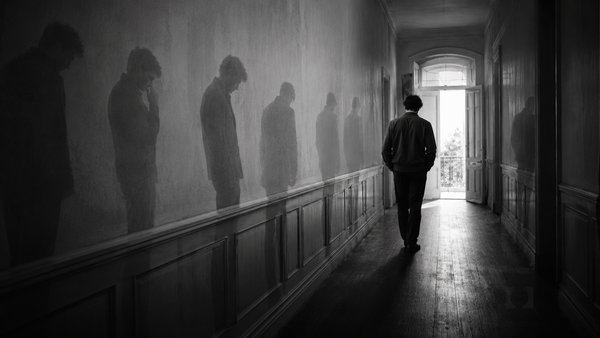
Other people may reduce our lives to roles, mistakes, or milestones. Telling our own story means developing an honest understanding of what happened and what it came to mean.
A first draft is not supposed to be finished or polished. Its job is to give your ideas somewhere to exist so revision, clarity, and better writing can begin.
Good communication is about more than saying what we mean. Tone, timing, behavior, and personal experience all shape how a message is received and whether understanding actually occurs.
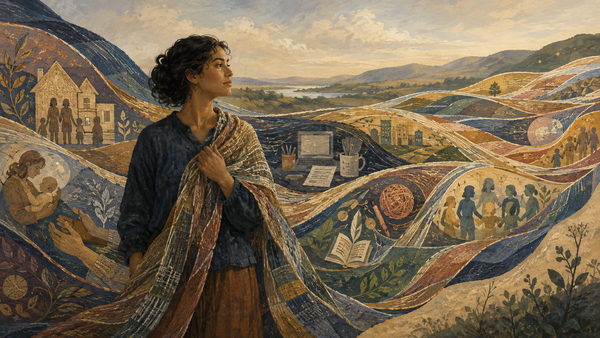
Your life may look like a collection of unrelated chapters, but recurring interests, strengths, and roles can reveal a deeper pattern worth noticing as you consider what comes next.
Our roles can provide purpose and belonging, but they are not the whole of who we are. When a role changes, the qualities beneath it can help guide what comes next.
Writing a book can feel overwhelming when we think we need the whole story first. Often, the larger work begins by giving one persistent memory a place to land.
The beliefs guiding our choices often begin as interpretations of past experiences. Learning to separate facts from familiar stories can create room for healthier, more honest possibilities.